Concussion and Mild TBI Claims
This page covers what concussion and mild traumatic brain injury mean clinically, why symptoms can persist and cause lasting loss, and how a compensation claim may be possible.
What is concussion?
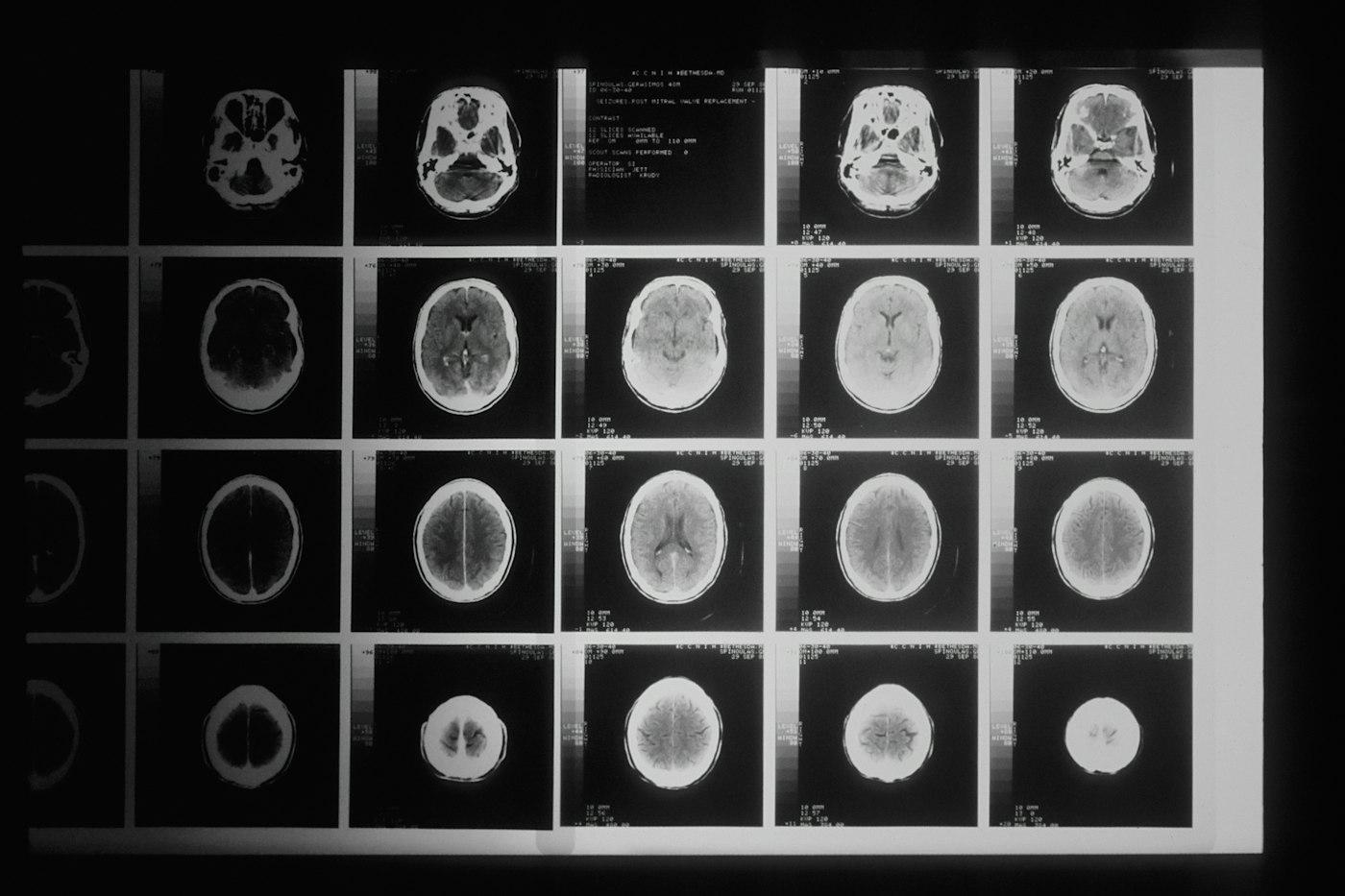
Concussion is a brain function injury caused by trauma. It sits at the milder end of the traumatic brain injury spectrum. The essential feature is a functional disruption to how the brain works, rather than visible structural damage, which is why imaging such as CT and MRI scans often appears normal. The injury is real but shows up differently from more severe brain injuries.
Concussion can follow a direct hit to the head, or a force that travels through the body and into the skull, as when a person is thrown, falls heavily or sustains whiplash, causing the brain to move rapidly inside the skull.
Concussion and mild TBI
Under the current NSW clinical guideline from the Agency for Clinical Innovation, concussion falls within the mild traumatic brain injury (mild TBI) category. Both terms describe an injury causing neurological dysfunction after a blow, jolt or transmitted force reaching the brain. The practical difference is that concussion refers specifically to an injury with no structural lesion on imaging. When clinicians use “mild TBI” they may be referring to a slightly broader group that includes those with a GCS score as low as 13, not all of whom will have imaging-confirmed structural change.
For the purposes of a compensation claim, the distinction between concussion and mild TBI matters less than whether the injury caused real loss. A concussion that leaves a person unable to concentrate, return to work, or manage daily life is as legally significant as a more severe injury, even if it looks less serious on a scan.
Loss of consciousness is not required for a concussion diagnosis. Research cited by Australian practitioners estimates that loss of consciousness occurs in around 10% of concussions.
Symptoms
Symptoms of concussion and mild TBI vary between people. They typically appear soon after the injury but may develop or become more noticeable over the hours and days that follow. They are often grouped as physical, cognitive and emotional.
Physical: headache, dizziness, nausea, fatigue, sensitivity to light or noise, sleep disturbance, balance problems and, less often, brief loss of consciousness.
Cognitive: difficulty concentrating, slowed thinking, memory gaps for the period around the injury, trouble finding words, and reduced processing speed.
Emotional and behavioural: irritability, anxiety, low mood, and emotional swings.
Recovery
For most people, concussion symptoms resolve within days or the first few weeks after the injury. Australian clinical sources suggest around 90% of people recover fairly quickly.
When symptoms are still present at the three-month mark, this is referred to clinically as persistent post-concussion symptoms. This replaces an older term, post-concussion syndrome, which is now considered an unhelpful framing. Research estimates of how many people develop persistent symptoms vary considerably depending on how they are defined and which population is studied. An Australian clinical source published on RACGP NewsGP puts the proportion at roughly 1 to 10% of people who sustain a concussion. Broader research definitions produce higher estimates. Whatever the exact proportion, the condition is clinically recognised and can affect a person's ability to work and function for many months.
Persistent post-concussion symptoms can include the same symptom types as acute concussion, particularly headache, fatigue, sleep disruption, cognitive difficulties and mood changes. They can form the basis of a compensation claim where they connect to a qualifying accident or incident.
Who can make a concussion or mild TBI claim?
A claim may be possible where a concussion or mild TBI resulted from:
- a road accident, whether as a driver, passenger, cyclist or pedestrian
- a workplace incident, including a fall, a collision, or being struck by an object
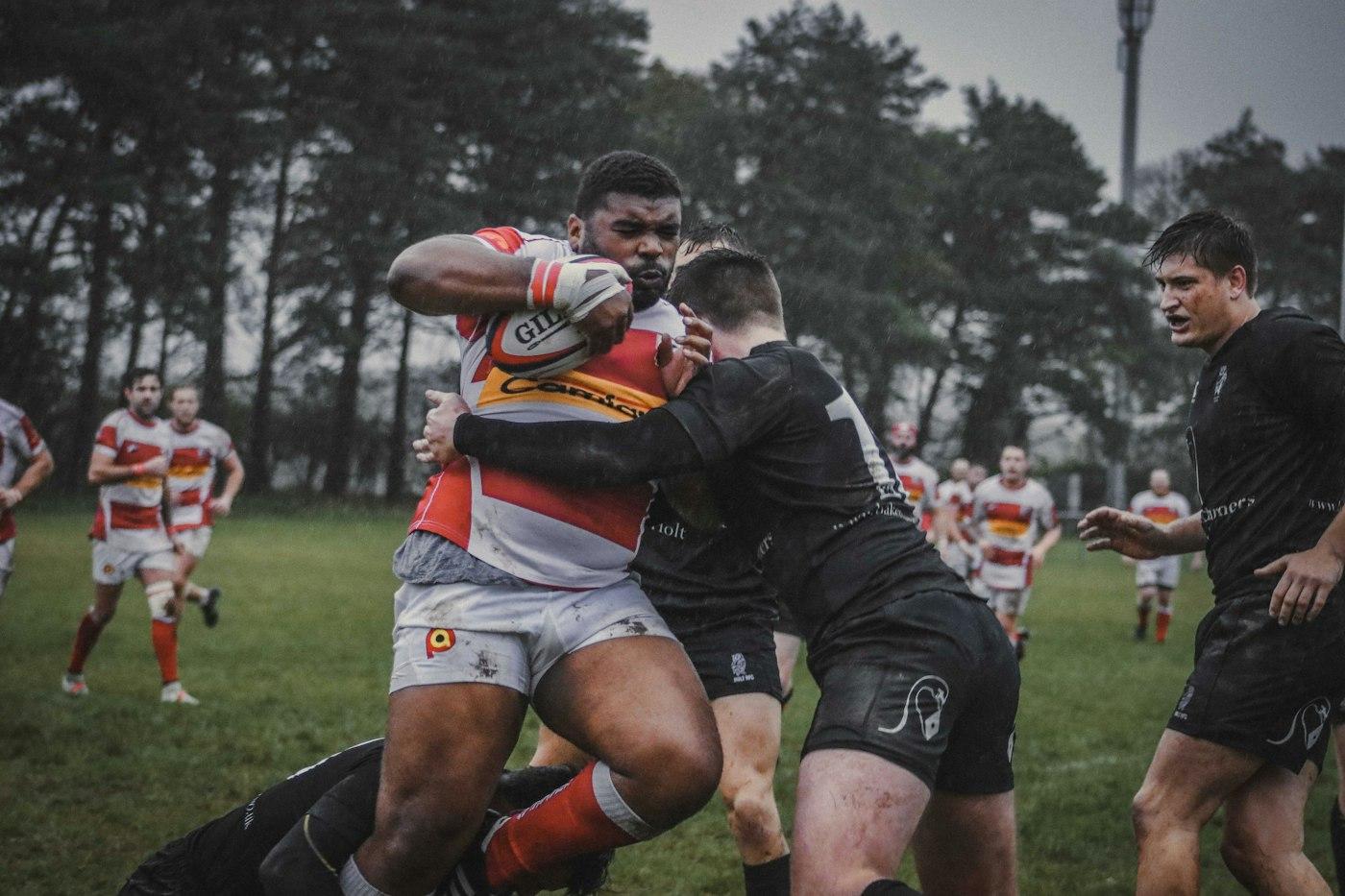
- a sporting or recreational incident involving the negligence of another person or organisation, including a coach, club, governing body, or event organiser
- a fall in a public place or on private premises where someone else failed in a duty of care
- medical treatment that fell below the expected standard
- an assault or other violent act
The type of claim available depends on how the injury happened and the state or territory. Workers compensation, motor accident and public liability pathways are each governed by different rules, and some require proving fault. For an overview of how claim types work see our brain injury claims page.
A family member or carer can make an enquiry on behalf of an injured person.
What makes concussion and mild TBI claims difficult?
These claims present particular challenges that do not apply in the same way to more severe injuries.
The injury is often invisible. Normal imaging results do not rule out concussion. A scan that shows nothing abnormal does not mean the person is fine. Neuropsychological testing is often the most revealing evidence of cognitive effects.
The initial classification can mislead. A “mild” label at the time of injury describes the clinical presentation in the first moments after the trauma, not what the injury will mean for the person over months and years. Some people with an initial mild classification have lasting effects that significantly affect their capacity to work and function.
Symptoms can be attributed to other causes. Headache, fatigue, poor sleep, low mood and difficulty concentrating can each be attributed to unrelated factors. Building a claim requires careful evidence that the symptoms connect to the accident rather than to pre-existing conditions or other life stressors.
Delayed symptom development can complicate timing. Some concussion effects become clearer only as the person attempts to return to normal activity, and a claim may be affected by how soon legal advice is sought and how the injury is documented from the start.
Evidence in a concussion or mild TBI claim
Because standard imaging may not show the injury, these claims rely heavily on:
- contemporaneous medical records documenting the injury and initial symptoms
- GP and specialist notes tracking the symptom course over time
- neuropsychological assessment, which tests cognitive function including memory, attention, processing speed and executive function and can show effects that imaging misses
- occupational therapy or vocational reports on the impact on work capacity
- employment and income records
- witness accounts of how the person's behaviour and functioning changed after the injury
Time limits
Time limits apply to every type of claim. In some states a form must be lodged within weeks of the accident. In others, the limit runs from the date of the injury, the date a person first appreciates the connection between symptoms and the accident, or the date they first consult a lawyer. In some cases a time limit starts or becomes shorter from the day you first ask a lawyer about a claim.
If you think a time limit may be close, say so when you send your enquiry.
Frequently asked questions
This page provides general information, not legal advice.