
Car Accident Brain Injury Claims
This page covers how brain injury claims work after a road accident in Australia, the different pathways available, who can claim and what the process involves.
Road accidents and brain injury
Road accidents are a significant cause of traumatic brain injury in Australia. AIHW data from 2020 to 2021 shows transport was the second leading cause of head injury hospitalisations across the country, behind falls. For moderate to severe TBI specifically, a 2023 study in the Medical Journal of Australia found transport-related injuries accounted for around 35% of moderate to severe TBI admissions across a five-year study period to 2020.
The forces involved in a collision, even at relatively low speeds, can cause the brain to move inside the skull. A driver's head hitting the steering wheel or window, a passenger being thrown forward, the effect of rapid deceleration, or an airbag deploying can all cause brain injury. The brain injury may not always be the most visible injury at the time of the accident, and it may be underestimated or missed in early assessments.
Who is covered?
Road accident brain injury claims are not limited to drivers. Depending on the scheme and state, coverage can extend to passengers, pedestrians struck by a vehicle, cyclists hit by a motor vehicle, and in some schemes, motorcyclists. People injured in truck accidents, bus accidents and ride-share vehicles may also have a claim. Coverage, conditions and what is required to claim all vary by state.
How road accident brain injury claims work
Every state and territory has a compulsory third party (CTP) scheme that requires motor vehicles to be insured. That insurance pays compensation to people injured in road accidents. But the schemes differ significantly in whether they pay regardless of fault, what benefits they cover, when further compensation is available and what thresholds apply.
Fault-based states and no-fault states
In Victoria, NSW, the ACT, the Northern Territory and Tasmania, statutory benefits under the motor accident scheme are available regardless of fault for people injured on public roads. In Queensland and Western Australia, the CTP scheme is fault-based, meaning a person generally needs to show that another party caused or contributed to the accident before they can access compensation. South Australia's scheme is primarily fault-based, with some no-fault coverage for specific groups.
Statutory benefits
All schemes provide a level of statutory benefits that can include income replacement while unable to work and the cost of medical treatment and rehabilitation. The scope and duration of those benefits vary between states and schemes.
Common law damages
Where a brain injury is caused by another party's fault, a further claim for common law damages may be available beyond the statutory benefits. Common law damages can include payment for loss of earning capacity, pain and suffering and future care needs. In most schemes this requires meeting an impairment or injury threshold set by the applicable scheme rules.
Brain injury and impairment thresholds
Some states require a minimum level of permanent impairment before a person can claim non-economic loss such as pain and suffering. For brain injury, the threshold question is often complex because the impairment may not be visible on imaging, it may stabilise slowly, and neuropsychological assessment rather than physical examination is often the primary evidence. The permanent impairment assessment can only be done once the injury has stabilised, which may be a year or more after the accident.
National Injury Insurance Scheme
For the most severe road accident injuries, the National Injury Insurance Scheme (NIIS) provides lifetime care and support regardless of fault across all states and territories. Moderate to severe brain injury is among the categories of catastrophic injury covered by the NIIS. The NIIS operates separately from the CTP claim and does not depend on establishing who caused the accident.
What a car accident brain injury claim may cover
Depending on the scheme and state, and whether common law damages are available, a claim may include:
- medical expenses, rehabilitation and specialist treatment including neuropsychological services
- income support and past lost earnings
- future loss of earning capacity
- care and domestic assistance needs, including both paid care and the recognised value of care from family members in common law claims
- home and vehicle modifications
- pain and suffering (non-economic loss) where the applicable threshold is met
- out-of-pocket expenses related to the injury
Evidence
A road accident brain injury claim typically draws on:
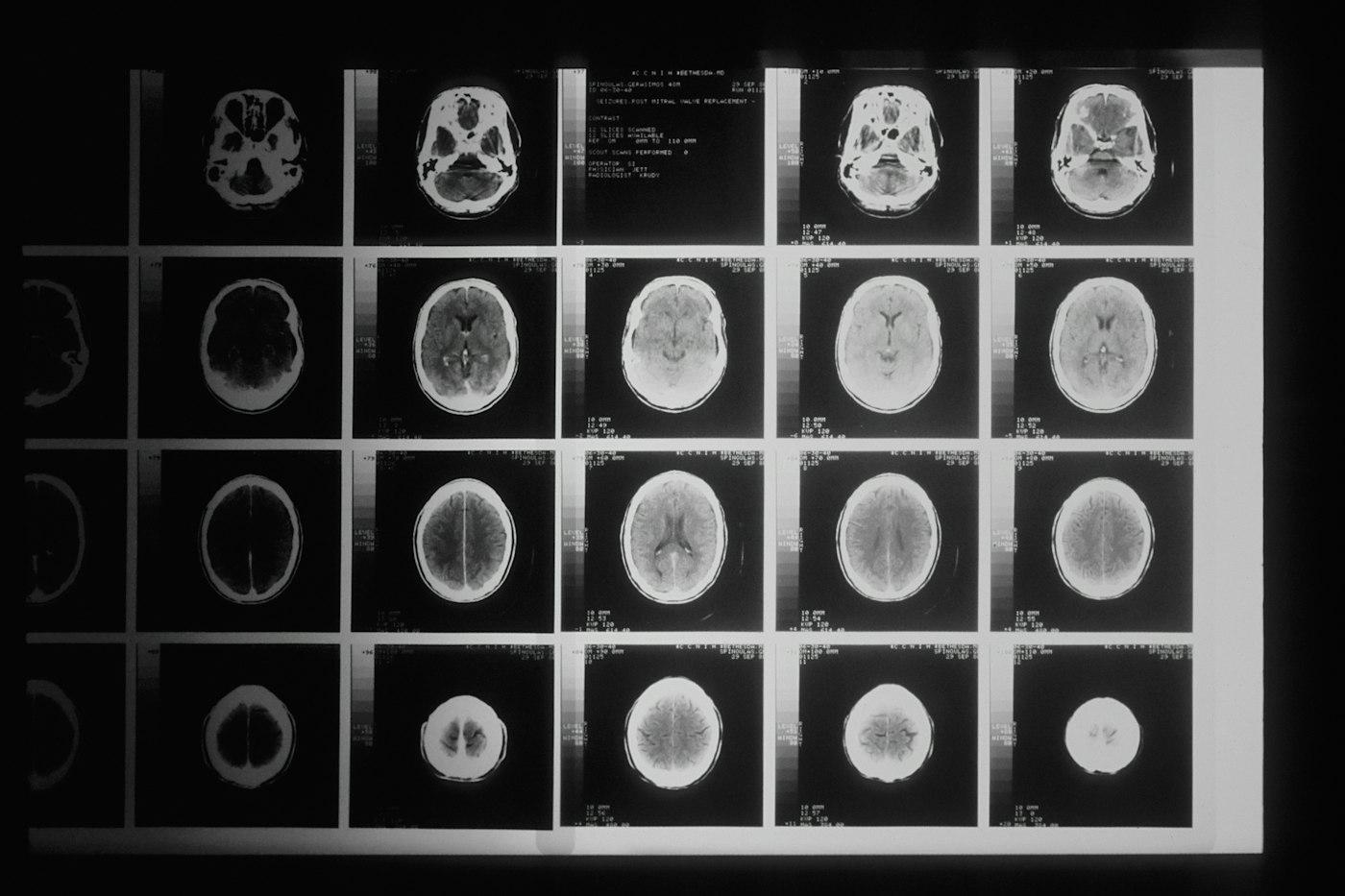
- medical records and imaging from the accident and hospital admission
- GP and specialist records tracking recovery
- specialist neurological and neuropsychological reports establishing the injury and its effects on thinking, memory and daily function
- a police report or motor accident report
- photographs or other evidence of the accident
- occupational therapy and vocational evidence where working capacity is affected
- employment and income records
Time limits
Time limits for road accident claims are among the strictest of any personal injury claim type. Depending on the state, a notice or claim form may need to be lodged with the insurer within days or weeks of the accident, or within a set number of months. Missing a time limit can extinguish a claim entirely.
In some cases a time limit starts or becomes shorter from the day you first ask a lawyer about a claim.
If you think a time limit may be close, or if you are unsure whether a limit applies in your state, say so when you send your enquiry.
Frequently asked questions
This page provides general information, not legal advice. Scheme rules, time limits and eligibility conditions vary by state.