What Is a Neuropsychological Assessment and Why Does It Matter for a Brain Injury Claim?
If you are making a compensation claim for a brain injury, you will almost certainly need a neuropsychological assessment. This article explains what the assessment involves, what it can show, and why it is so important in these claims.
What is neuropsychology?
Neuropsychology is the field of clinical practice and research concerned with how the brain's structure and function relate to behaviour, thinking and emotion. A neuropsychologist is a psychologist with specialist training and qualifications in assessing and understanding brain-related changes in cognition and behaviour.
In the context of a brain injury claim, a neuropsychological assessment is an evaluation by a qualified neuropsychologist of how the brain is functioning. It uses standardised tests to measure performance across a range of cognitive domains.
What does the assessment involve?
A neuropsychological assessment is a clinical examination, not a scan or a blood test. It involves a structured interview about the person's history, the injury and current symptoms, followed by a series of standardised cognitive tests. These tests are designed to measure specific aspects of brain function and compare the person's performance to what is expected for their age, education and background.
The assessment typically covers:
- Memory. Both the ability to learn and retain new information and to retrieve things from before the injury.
- Attention and concentration. Sustained attention, divided attention and the ability to screen out distractions.
- Processing speed. How quickly the brain processes and responds to information.
- Executive function. The higher-level skills involved in planning, organising, problem-solving, initiating tasks and regulating behaviour.
- Language. Comprehension, word-finding and verbal expression.
- Visuospatial function. The ability to process and interpret visual information and spatial relationships.
- Mood and emotional functioning. Screening for anxiety, depression and other emotional effects that commonly follow brain injury.
The testing may take several hours across one or two sessions. The neuropsychologist then prepares a written report interpreting the results and their clinical significance.
Why is neuropsychological evidence important in a brain injury claim?
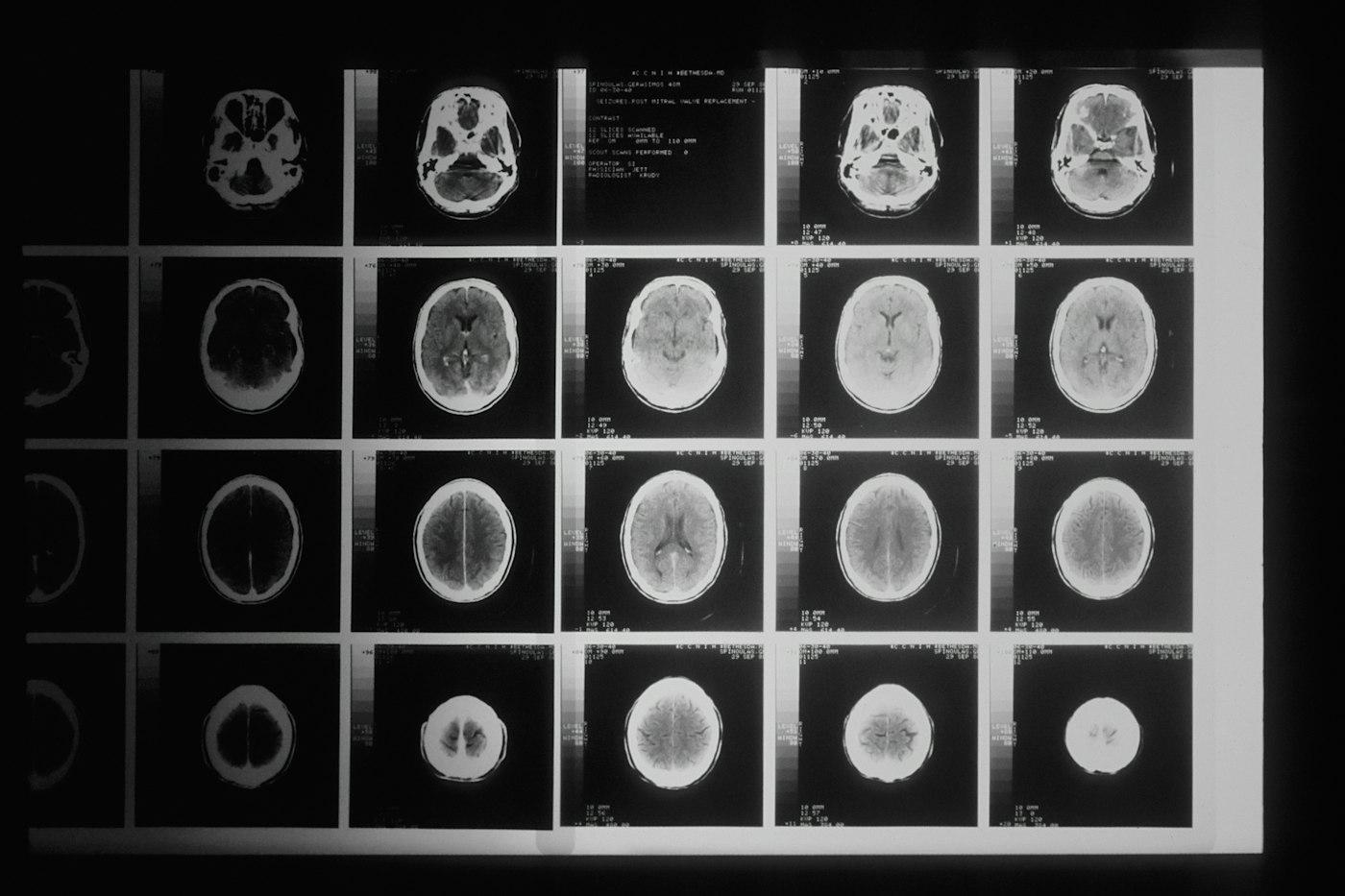
Standard brain imaging such as CT and MRI scans can show structural damage to the brain. But many brain injuries cause functional disruption that does not appear on imaging, particularly concussion and mild traumatic brain injury, and some forms of diffuse axonal injury. A normal scan does not mean a normal brain.
Neuropsychological testing measures what imaging cannot: how the brain is actually functioning. This is why neuropsychological evidence is often the most important medical evidence in a brain injury claim, particularly where the injury is classified as mild or where the insurer is disputing the extent of impairment.
In a compensation claim, the neuropsychological report can establish:
- that a cognitive impairment exists and is measurable
- the domains in which functioning has been affected
- the likely cause of the impairment in the context of the injury
- how the impairment affects daily functioning, work capacity and quality of life
- whether the impairment is likely to be permanent or whether further improvement is possible
What happens if there are two assessments with different results?
In many brain injury claims, the claimant's legal team will commission a neuropsychological assessment from an independent expert, and the insurer will commission their own. The results do not always agree.
Differences can arise because the tests used differ, because performance on cognitive tests can vary depending on the person's health on the day, medication, fatigue and anxiety, and because neuropsychologists can interpret results differently. Where there is a difference in opinion between experts, the lawyers and ultimately the court if necessary weigh the competing evidence.
Effort testing is a component of neuropsychological assessment that measures whether a person is putting genuine effort into the cognitive tasks. This is standard clinical practice and is not a sign that the assessment is adversarial. It helps ensure the results are reliable and is part of the overall assessment rather than a separate process.
When should a neuropsychological assessment be done?
The timing matters. An assessment done very early after a brain injury may not accurately reflect the long-term picture because the brain is still in a period of recovery and change. An assessment done too late in the claim may miss the opportunity to document the injury's effects at a critical stage.
A lawyer experienced in brain injury claims will advise on the right timing for obtaining neuropsychological evidence based on the specific circumstances of the claim and the state.
Send an enquiry
Use the form below to send an enquiry. Please do not include detailed medical information at this stage.
If someone needs urgent medical help, call 000.

This article provides general information. It is not legal or medical advice.