
Brain Injury Compensation Claims
This page covers how brain injury claims work in Australia, the types of claims available, what compensation may cover and what the process looks like.
What is a brain injury compensation claim?
A brain injury compensation claim is a formal request for financial redress following a head or brain injury caused by an accident or someone else's conduct. Compensation may cover the financial and practical losses the injury causes, such as medical costs, lost income, care needs and, in some claims, pain and suffering.
Whether a claim is possible, and how it works, depends on how the injury happened and which state or territory is involved. Some claims run through government-funded schemes such as workers compensation or transport accident schemes. Others are common law damages claims where the injured person must show another party was at fault. A claim through superannuation for total and permanent disability may also be available alongside those options.
Who can make a brain injury claim?
You may be able to make a claim if you have a head or brain injury caused by:
- a road accident involving a car, truck, motorcycle, bicycle or pedestrian
- a workplace accident, including a fall, being struck, or a machinery incident
- a slip, trip or fall in a public place or on someone's property
- medical treatment that fell below a reasonable standard
- an assault or other criminal act
A family member or carer may make an enquiry on behalf of an injured person, including where the injured person cannot give instructions themselves.
You can read more about specific claim types on our pages for traumatic brain injury claims, concussion and mild TBI claims, car accident brain injury claims and workplace brain injury claims.
What makes brain injury claims different?
Brain injury claims are more complex than many other personal injury matters, for several reasons.
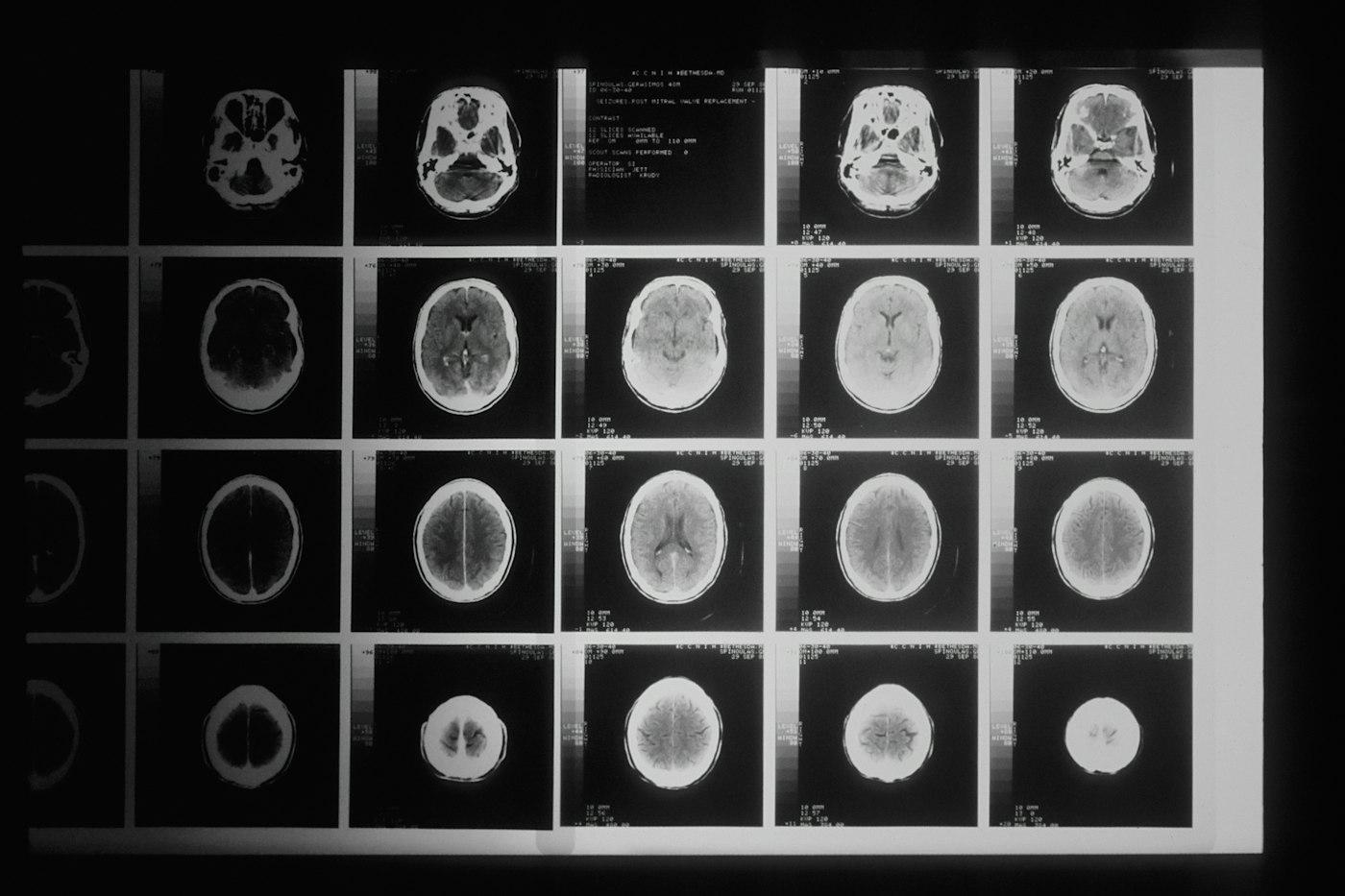
The injury can be hard to see. A brain injury may not be obvious on imaging or in initial examinations. Some people have significant symptoms from a mild injury, and those symptoms may take time to show their full extent.
The evidence is specialist. Neurologists, neuropsychologists and occupational therapists are often central to proving the nature and impact of the injury. Their assessments take time to arrange, and the injury usually needs to stabilise before permanent impairment can be assessed.
The long-term picture is uncertain. Brain injury effects can evolve over months or years. Settling too early can mean settling for less than the injury turns out to cost.
The pathway varies by state and cause. Workers compensation, motor accident and public liability schemes have different rules, thresholds and time limits. What applies in one state may not apply in another.
How common are brain injuries in Australia?
AIHW data from 2020 to 2021 shows head injuries account for a hospitalisation in Australia at a rate of roughly once every four minutes. Falls and transport accidents were the two main causes of those hospitalisations, with sports injuries accounting for about one in four concussive admissions.
A study published in the Medical Journal of Australia in 2023, drawing on Australian trauma registry data from 2015 to 2020, recorded more than 16,000 admissions to major hospitals for moderate to severe traumatic brain injury over the five-year period.
Types of brain injury claims
Workers compensation
If the injury happened at work or while carrying out a work activity, you may be able to claim workers compensation benefits covering medical treatment, income support and, in some states, a lump sum for permanent impairment. Depending on the state and the circumstances, a further common law damages claim may be available if someone else was at fault.
Motor accident claims
Motor accident schemes vary significantly across Australia. Some states, including Victoria, NSW, the ACT, the Northern Territory and Tasmania, operate no-fault or predominantly no-fault schemes that pay statutory benefits regardless of who caused the accident. Others, including Queensland and Western Australia, run fault-based schemes where an injured person generally needs to establish that another party was responsible. Most schemes separate initial statutory benefits from further common law damages, which usually require meeting an injury or impairment threshold and proving fault.
Public liability claims
If the injury happened in a public place, on someone's premises or as a result of a product defect, a claim against the person or organisation responsible may be possible. These claims generally require proving the other party failed in a duty of care.
Medical negligence
Where a brain injury resulted from substandard medical treatment, a claim against the treating practitioner or hospital may be available. These claims require expert medical evidence that the treatment fell below a reasonable standard and that the substandard treatment caused the injury.
TPD insurance through superannuation
If a brain injury leaves you permanently unable to return to your usual occupation, a total and permanent disability insurance claim through your superannuation fund may be available. This type of claim does not require proving fault; you need to meet the policy's definition of total and permanent disability.
What compensation may cover
What a claim can include depends on its type and the state where it is made. Across the different claim types, heads of compensation that may be available include:
- past and future medical treatment, including specialist and neuropsychological assessment
- rehabilitation and allied health costs
- care and domestic assistance, including both paid care and, in common law damages claims, the reasonable value of care provided by family members without charge
- past loss of income
- future loss of earning capacity
- superannuation contributions lost because of the injury
- reasonable home or vehicle modification costs
- pain and suffering (known as non-economic loss) where an injury meets the threshold required by the applicable scheme or law
- out-of-pocket expenses related to the injury, including travel for treatment
What the claim does not cover, and how each head of loss is calculated, depends on the scheme and the state. A lawyer can explain what applies in your situation.
Evidence in a brain injury claim
Claims of this kind draw on a range of sources. Medical records from treating practitioners and hospitals are usually the starting point. Specialist reports from neurologists and neuropsychologists are commonly required to demonstrate the nature of the injury and its cognitive effects. Occupational therapists and vocational experts may assess the impact on work capacity and daily life. Witnesses, employment records and financial documents support the economic loss component.
Time limits
Time limits apply to every type of claim and they vary significantly. In some states a notice or claim form must be lodged within weeks of the injury. Other limits run from the date of the accident, the date a person first becomes aware of the injury, or the date they first consult a lawyer. In some cases a time limit starts or becomes shorter from the day you first ask a lawyer about a claim.
If you think a time limit may be close, tell us when you send your enquiry.
What the claims process looks like
No two brain injury claims follow exactly the same path. In broad terms the process involves assessing whether a claim is possible and which pathway applies, gathering medical and financial evidence, dealing with the insurer or scheme, and either negotiating a resolution or, where that is not possible, proceeding to a hearing or court.
Many claims resolve before reaching a court or tribunal. Others take longer, particularly where the injury is serious, liability is disputed or the full extent of the injury takes time to establish.
Frequently asked questions
This page provides general information, not legal advice. Time limits and scheme rules vary by state and claim type.